To mark Movember, we take a look at men’s mental health, and how you can have conversations which can make a big difference to someone’s life.
Men’s Mental Health: Spot the signs…
We’re men right? Strong and able to cope with stuff, yeah? NO, absolutely not. Everyone has struggles and tricky situations to deal with, but sometimes they can all become too much, then mental health becomes an issue of its own.
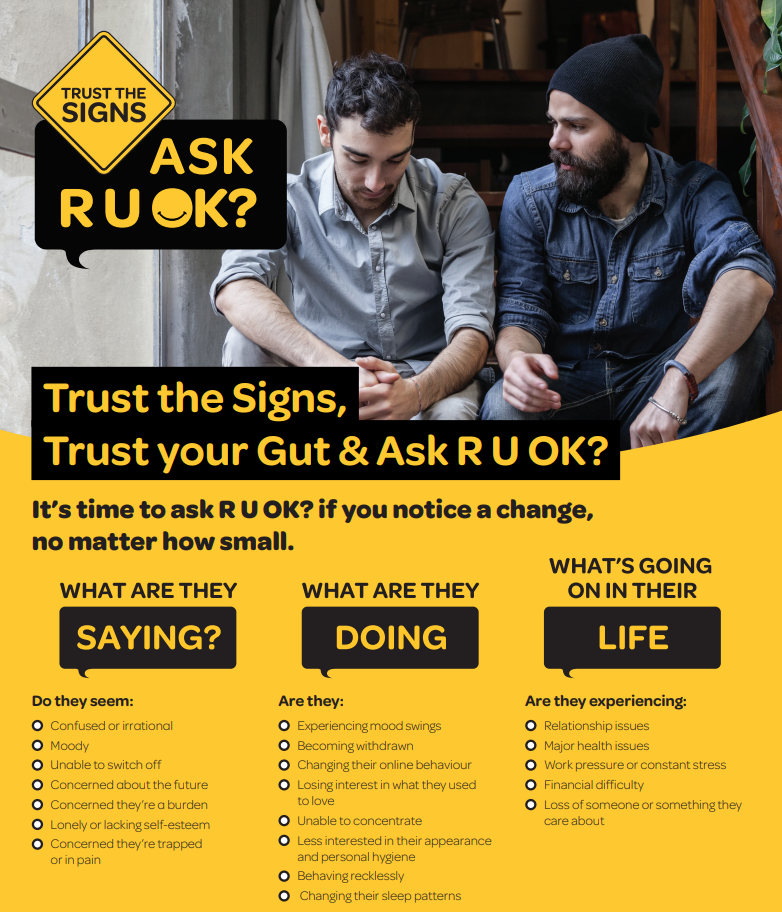
We all have different thresholds for being able to cope. Your mates, colleagues or family might be struggling – look out for the signs…
Reach out, and use ALEC…
So many men find it hard to reach out and say “I’m struggling, can we talk”. It’s understandable, but not healthy. If you’ve spotted any of the signs mentioned above, it might be time to use ALEC – Ask, Listen, Encourage Action, Check in.
ALEC is four simple steps to help you, help a friend…
Before reaching out, you should check you’re in a good state of mind, have time to listen and are prepared to hear they’re not ready to talk.
You should also be ready for the answer “I’m not good”. Just be yourself. Don’t offer solutions or try to be a counsellor – be the person they trust already.
- Start by asking how he’s feeling – it’s worth mentioning any changes you’ve picked up on. Maybe he’s spending more time at the bar, has gone quiet in the group chat, or isn’t turning up to social events. Whatever it is, he’s just not himself. Use a prompt like, “You haven’t seemed yourself lately – are you feeling OK?”
- Trust your instinct = remember, people often say “I’m fine” when they’re not, so don’t be afraid to ask twice. You can use something specific you’ve noticed, like, “It’s just that you haven’t been replying to my texts, and that’s not like you”.
Give him your full attention – let him know you’re hearing what he’s saying and you’re not judging. You don’t have to diagnose problems or offer solutions, but asking questions lets him know you’re listening. And turn your mobile phone off – this isn’t about you.
Ask a question like, “That can’t be easy – how long have you felt this way?”
Help him focus on simple things that might improve how he feels. Is he getting enough sleep? Is he exercising and eating well? Maybe there’s something that’s helped him in the past – it’s worth asking.
Suggest that he share how he’s feeling with others he trusts. This will make things easier for both of you. And if he’s felt low for more than two weeks, suggest that he chat to his doctor.
Suggest you catch up soon – in person if you can. If you can’t manage a meet-up, make time for a call, or drop him a message. This helps to show that you care; plus, you’ll get a feel for whether he’s feeling any better.
Help and advice
NHS Mental Health Services – if you need urgent help for your mental health, you should call 111 for help. Alternatively you can can use the 111 website to get advice.
Movember – no doubt you’ll be familiar with the Movember movement, and all the great work they do to raise awareness of men’s health.
R U OK? – their tagline is “a conversation could save a life”. They have so much information on their site around how to help. The site is Australian, but the advice is universal.
The Hub of Hope has hundreds of links to support services for every mental health issue you can think of. Tell the site where you are and what the issue is, and in a couple of clicks you’ll be presented with a list of organisations and how to contact them.
The Charity organization Mind offer a peer community called Side by Side. It’s a safe place to listen, share and be heard.