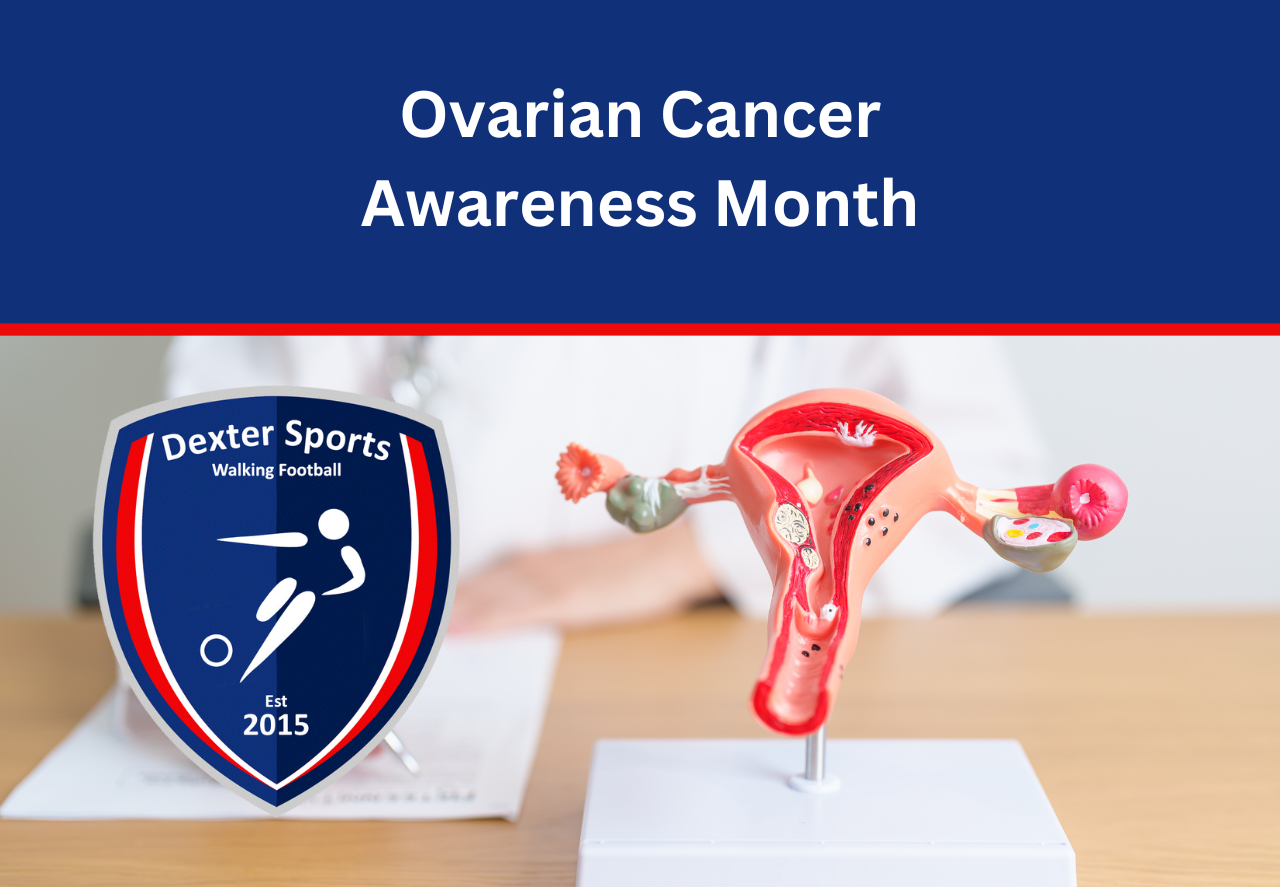
March is Ovarian Cancer Awareness Month, but what is ovarian cancer? How can you spot it? What are the risks and what help is there?
What is ovarian cancer?
Ovarian cancer is a type of cancer that affects the ovaries, which are part of the female reproductive system. It can develop when abnormal cells grow in and around the ovaries and fallopian tubes.
Anyone who has ovaries can get ovarian cancer, however the chances increase for people over the age of 50. This type of cancer can sometimes be hereditary.
Ovarian Cancer Action (ovarian.org.uk)
What are the risks?
It’s estimated that there are around 4,100 deaths from ovarian cancer in the UK every year – that’s one woman every two hours. Because the symptoms are common and misdiagnosed, ovarian cancer is often diagnosed late.
A family history of ovarian or breast cancer could increase your chances of ovarian cancer by up to 60%. The Ovarian Cancer Action website has a Hereditary Cancer Risk Tool which can be used to assess whether your family history puts you at risk.
Ovarian cancer has a strong association with age. Currently around 84% of cases are diagnosed in women over the age of 50…”
Ovarian Cancer Action (ovarian.org.uk)
Healthy lifestyle choices can help reduce the risk of ovarian cancer. Things such as a healthy body weight, balanced diet, regular exercise and not smoking. To this end, Dexter Sports Walking Football Club would welcome women to our weekly training sessions on a Friday evening – get in touch if you’d like to know more.
Ovarian cancer is the sixth most common cancer in women, with around 7,500 diagnoses every year. The earlier it’s detected, the easier it is to treat. However, diagnosing ovarian cancer is difficult and often overlooked as many of the symptoms can indicate other conditions…
What are the symptoms?
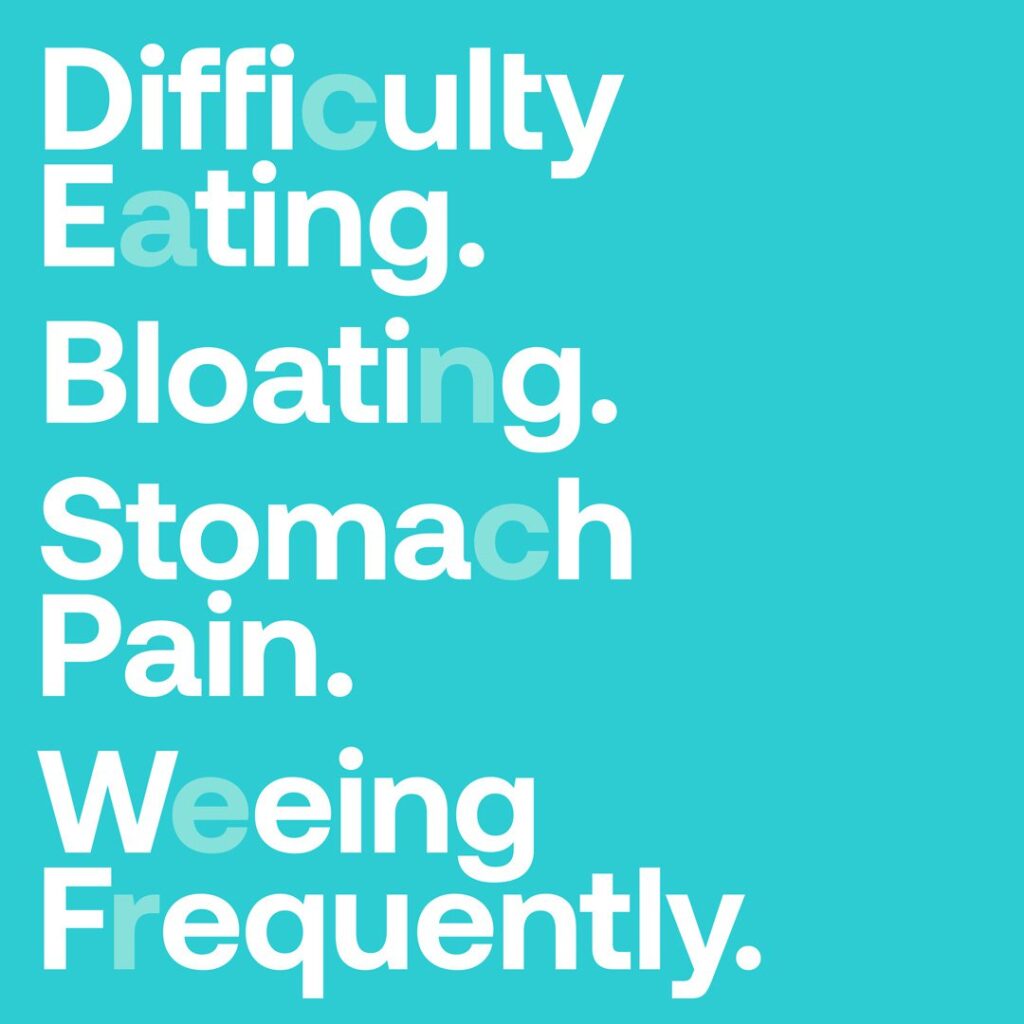
The four main symptoms are:
- Bloating
- Stomach pain
- Difficulty eating and/or feeling full more quickly
- Needing to wee more often
There are other symptoms also associated with ovarian cancer. These include back pain, changes in bowel movements, extreme tiredness and unexplained weight loss.
Getting help
If your symptoms are persistent, severe, frequent and out of the ordinary, you should make an appointment to see your GP as soon-as-possible. It’s a good idea to take along a diary of your symptoms, including when and how severe they were. You should also share your family’s ovarian and breast cancer history with the doctor.
For those who’ve been affected by an ovarian cancer diagnosis, there are many organisations who offer help and support. The NHS website lists a number of ovarian cancer helplines, including…
- Macmillan Cancer Support: 0808 808 00 00 (macmillan.org.uk)
- Cancer Research UK: 0808 800 4040 (cancerresearchuk.org)
- Ovacome: 0800 008 7054 (ovacome.org.uk)
The physical and mental health benefits of regular exercise are well known. If you’re interested in playing football in a friendly, safety first environment, get in touch with Dexter Sports Walking Football Club now…